How to Slow Down When You’re Always On the Go
End-of-Year Reflections from a Therapist in NYC
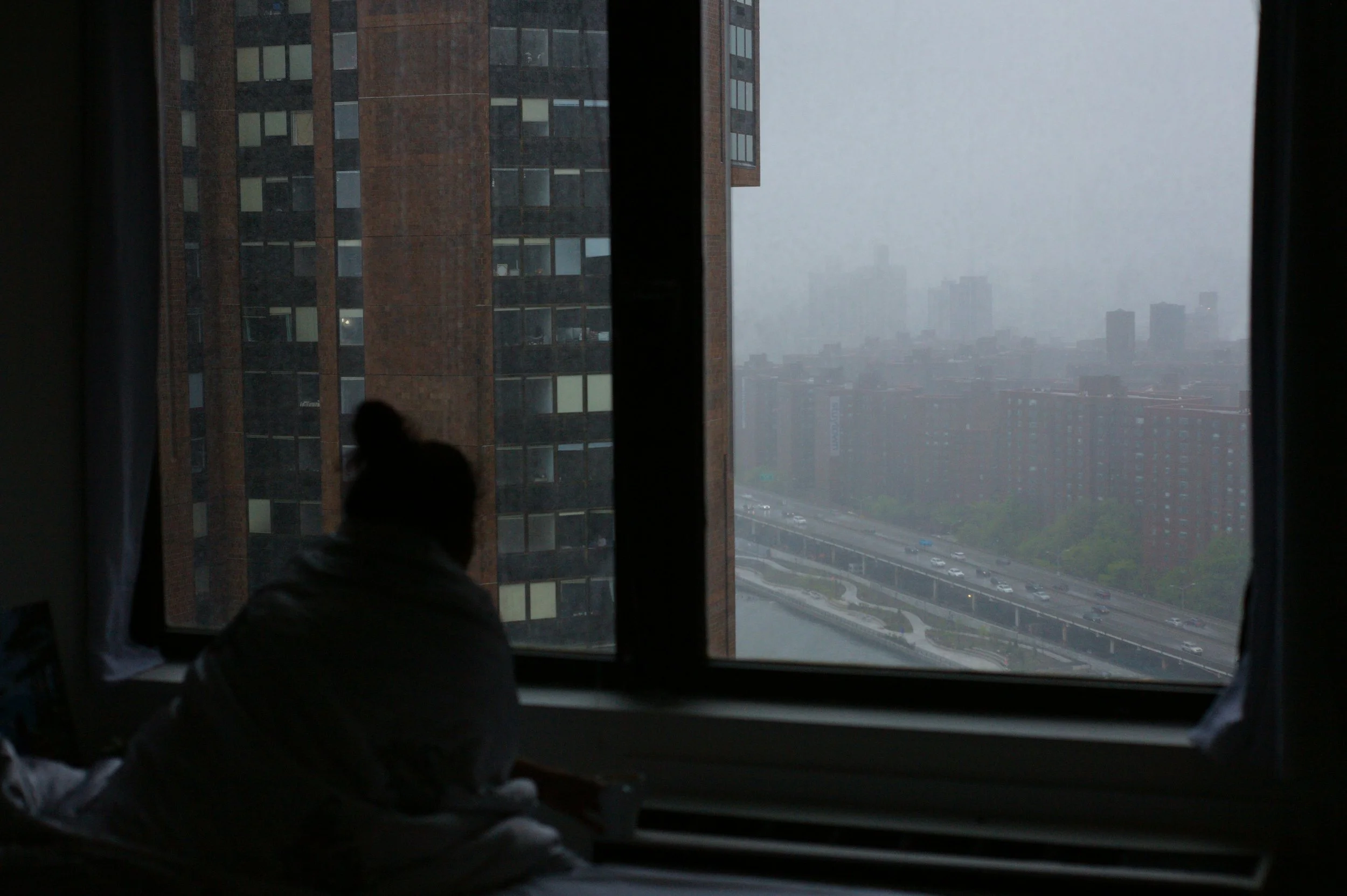
As the year winds down, everything else seems to ramp up—deadlines, obligations, holiday travel, family dynamics, and more. On paper, this is when we’re supposed to rest. But for many people, this is when the pressure hits hardest. Even when you finally get a quiet moment to yourself, your brain might still be buzzing, running through to-do lists or replaying conversations from two weeks ago.
You want to stop the train that says you always need to be productive, but you're not sure how or what would happen if you did. What if something important falls through the cracks? What if people are disappointed? What if it means you're lazy?
Lately, maybe you’ve been feeling like everyone needs something from you. People keep coming to you for help, answers, support, or attention. And part of you just wants to yell, “Figure it out yourself!” But instead, you keep showing up, burning through your energy like you can’t afford to stop.
If any of that rings true, this post is for you. We’ll talk about:
Why slowing down feels so hard (and even threatening)
How to work with, not against, your overactive brain
Practical ways to hit pause, even when your life is still moving
Why Is Slowing Down So Hard?
Most people think the hard part is the schedule—the meetings, the deadlines, the people who need something from you. But even when your calendar technically opens up, your brain doesn’t always get the message.
Especially in a place like New York City, where fast-paced living is the default, slowing down can feel almost unnatural or forbidden.
A lot of the time, slowing down doesn’t just feel uncomfortable; it can feel unfamiliar, even threatening. It’s not how your system is used to operating. When you’ve been wired to stay alert, meet expectations, and anticipate everyone else’s needs, being still can feel like you’re doing something wrong.
Busyness becomes a kind of armor. If you're always doing, always helping, always achieving, there's less space to feel the harder stuff underneath. Slowing down asks you to put the armor down and stay with yourself. And, let’s be honest, that’s not easy.
From a nervous system perspective, this makes total sense. If your body has learned that “calm” equals “vulnerable,” it won’t let you ease in so easily. But when you practice slowing down, gently and intentionally, you’re introducing new cues to your system. You’re signaling that rest is safe. And over time, that helps create a new foundation.
So no, you're not bad at relaxing. You're just human. And your brain has learned that fast and efficient is safer than still and present. But that doesn’t mean it always has to be that way.
When Rest Feels Like the Hardest Thing to Do
I hear about this from clients all the time, usually when they’re telling me how much they hate feeling unproductive.
It’s frustrating. Part of you desperately wants to slow down. You crave rest. You know you need a break. But another part of you hates the way slowing down feels. You get agitated. Anxious. Bored. Your brain starts spinning faster, not slower. And instead of relaxing, you feel pulled to find something—anything—to do.
That internal tug-of-war is real. And it’s exhausting.
Slowing down strips away the distractions. It removes the noise and motion that usually keep you from noticing what’s happening under the surface. When things get quiet, it’s easier to feel the emotions you’ve been pushing to the side. Things like grief, resentment, anxiety, confusion, and even just plain tiredness. The stuff you don’t want to feel.
“Of course, you don’t want to sit with that. That’s the icky part.” I’ll tell them.
It can also threaten the identities you’ve worked so hard to build: the competent one, the helpful one, the one who always has it together.
It makes sense then that you hate it. At first, it feels like you’re doing nothing. But when I ask clients if we can slow down anyway to sit with what comes up, what they’re actually doing is facing the feelings, beliefs, and fears that busyness usually covers up. That’s hard work. And it deserves more credit.
Because here’s the thing, without making space for it, those feelings don’t just go away. They follow you around, and they get in the way. Slowing down—consciously—isn’t about wallowing in hard emotions; nobody wants that. It’s about giving them just enough space to move through you instead of running your life in the background.
How Do You Calm an Overactive Brain?
You try to slow down, but your brain keeps going. You’re physically still, but mentally... you're five tabs deep in a project that hasn’t even started yet. Or replaying something you said three days ago. Or suddenly remembering that thing you forgot to do.
This is what so many of my clients describe: their bodies are tired, but their minds just won’t quit.
So how do you work with that?
Start by knowing that calming your brain isn’t the same as turning it off. The goal isn’t to force stillness; it’s to create enough internal space that your thoughts don’t run the whole show. These moments of slowing down start to send new signals to your nervous system: “You’re safe. You can land here.”
Here are a few ways to begin:
Try a “brain dump.” Set a timer for 5 minutes and write down everything in your head. Get it out of your system so it doesn’t have to live there rent-free.
Do something sensory. Wash your hands in warm water, stretch for 2 minutes, walk around the block, work out, take a dance break. Anything that brings you back into your body.
Practice a reset breath. Try breathing in for 4, holding for 4, and exhaling for 6. It signals to your system that you’re safe.
Pick one and experiment with it for a few weeks, or mix and match to see what feels most supportive. You get to decide what helps you settle. That choice is part of the slowing down.
These moments of slowing down start to send new signals to your nervous system:
“You’re safe. You can land here.”
Slowing Down Without Hitting Pause on Your Whole Life
A lot of people assume slowing down means pulling back from everything. Canceling plans. Clearing your calendar. Saying no to every request.
And sure—sometimes that’s exactly what you need.
But slowing down can also be subtle. It can look like doing the same things a little more consciously, or creating moments of pause in the middle of a busy day. You don’t have to disappear from your life to take care of yourself.
Here are a few ways to start practicing intentional slowness:
Bookend your day. Even two minutes in the morning or at night to check in with yourself—not your phone—can shift your pace.
Notice your transitions. Moving from work to home? Car to couch? Take one deep breath before what’s next. You’re allowed to arrive instead of just powering through.
Do one thing at a time. Eat without scrolling. Walk without calling. Let your attention rest in one place, even briefly.
You don’t need to maintain this all day. Start small. See what helps. This isn’t about doing it perfectly; it’s about experimenting with what supports you, one baby step at a time.
How to Slow Down at the End of the Year
This time of year brings a lot, emotionally, mentally, and logistically. For many people, it’s a season of “shoulds.” You should be cheerful, productive, reflective, social, generous, and present. All at once.
And if you’re living in NYC, that pressure can feel even more intense. There’s a constant sense that you should be doing more, achieving more, showing up for everything.
But the end of the year doesn’t have to be a performance.
It can also be a pause point. A chance to ask yourself: What do I actually need right now? What would help me feel a little more human heading into the new year?
You don’t have to blow everything up to create that space. You could:
Skip one event that feels like a drain
Let the group text go unanswered for a while
Spend 20 minutes doing nothing productive and see what that stirs
The goal isn’t to make the season perfect. It’s to make it more bearable. More honest. And a little slower, on purpose.
You Don’t Have to Hustle Your Way Into 2026
If you’re feeling overworked, overstimulated, or just plain over it, slowing down might feel like the last thing you have time for. But it’s also one of the most powerful things you can practice this time of year.
You don’t need a complete reset. You don’t need to “fix” anything before January hits. You just need a little more space to breathe, reflect, and reconnect with yourself.
If you’re looking for a place to start, I’ve created a free grounding meditation that can help you begin that shift. You can find it on my Meditations page and use it anytime you need a reset.
And if slowing down still feels good, but hard, you don’t have to figure it out alone. I offer therapy for individuals in New York and California, and we can work together to build more sustainable ways of living, working, and caring for yourself.
You’re allowed to move through this season differently. And you deserve to give yourself a little break.